
By: Tamara Smith
Ah, worldbuilding. It’s my favorite part of the book creation process. This is where you get to conjure your own world from scratch to set the stage for your book (or series). While this step is crucial for establishing the story’s tone, it’s essential to remember that the world you create must serve a purpose for the plot. This element adds realism to your setting. You need to ensure that your world is believable to readers; otherwise, it simply won’t resonate.
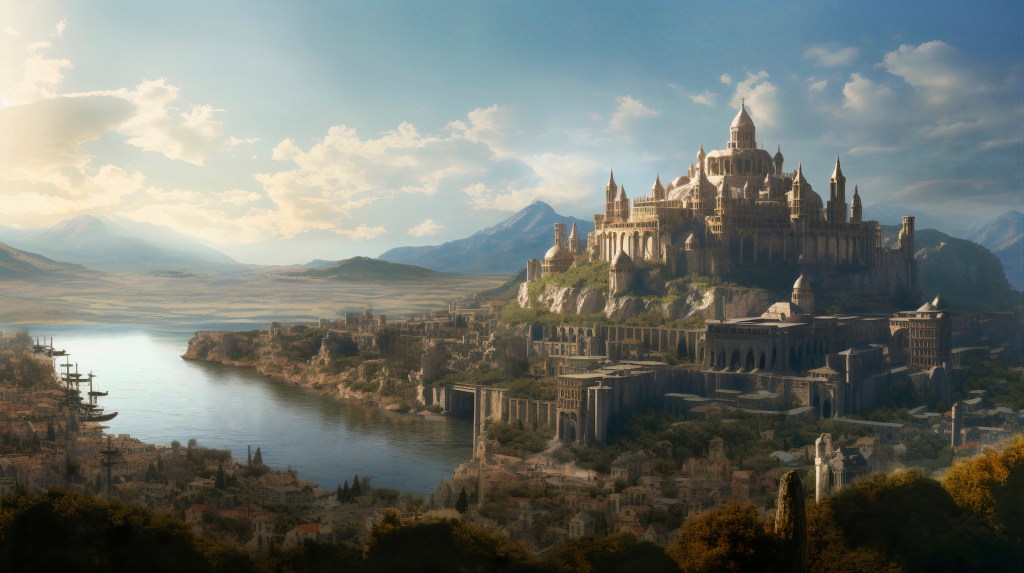
Don’t construct the landmark of a sword in the center of your world without providing an explanation. Let it add meaning to your story! Does it serve as a monument that people honor? Does it serve as a powerful epicenter, harnessing the power of the land?
Every piece of information you include when building your world must serve a specific purpose. Don’t create locations merely because they seem appealing; ensure that the reader fully understands the history of these places!
The worldbuilding process is enjoyable. Let me show you what’s needed to create a well-developed world that your readers will see as reality…
#1: Consider the Geography & Climate
- Does your story take place in a land that is surrounded by mountains?
- Are there magical landscapes? How do they shape your world?
- Are there boarders that serve to separate rivaling territories?
- Do bodies of water weave through the land?
- Does the climate vary within different regions?
- Are there types of natural phenomena that occur?
All of these questions will help you hone the believability of your world. For instance, you may use climate to your advantage and make your characters race against the clock during a life-threatening blizzard as a major turning point in your novel. Paired with the geography of the land, some areas will be affected more than some. These are things that you can use to your advantage!
Keynote: Consider the different subgenres of your fantasy novel. Dark fantasy, urban fantasy, and steampunk fantasy are just a few subgenres to keep in mind when defining your geography. Knowing your subgenre will assist you in the worldbuilding process as it already provides the framework for your creations!
#2: Society and Government
- Is there a social structure? How is it divided? (i.e. Caste system)
- Are there government agencies? What is their purpose?
- What type of governance does your world have? (republics, kingdoms, empires, etc.)
- Who is allowed to have a place in government? (Elections, family, etc.)
- Where are these institutions located?
- Is there a currency system?
- What are the different types of jobs that benefit society?
Here are some things to consider when notetaking during this step: Use these points as ways to create tension in your novel. For instance, political conflict almost always affects the society that is being governed. Think of how political tension will affect the lives of your characters in order to add more depth to your story.
#3: Cultural Traditions
- Are there holidays / seasonal celebrations? What is their importance?
- What music, dances, and arts do they partake in?
- Are there religions that the people abide by? How do they help influence society?
- What dishes are a staple in your world? Do they vary between regions?
- Are there any distinct clothing styles?
- Any myths and legends?
- Stories about heroes and villains that add to the backstory of the land?
When thinking of these cultural traditions, it is imperative that you focus on the larger picture. How do all of these traditions help shape the present world that your characters live in? Do conflicts arise because of potential cultural divides?
#4: Mythical Creatures & Magic Systems
- Does everyone have access to magic?
- Is there a cost for using it?
- Where does it come from? Is it ancient?
- What is the purpose for magic in your story? Does it assist in character arcs?
- What type of creatures exist? What purpose do they serve?
- What is their cultural significance?
- Where do they live? (Swamps, forests, underwater, mountains)
- Did they play crucial roles in past events?
- Does society look up to them? Fear them?
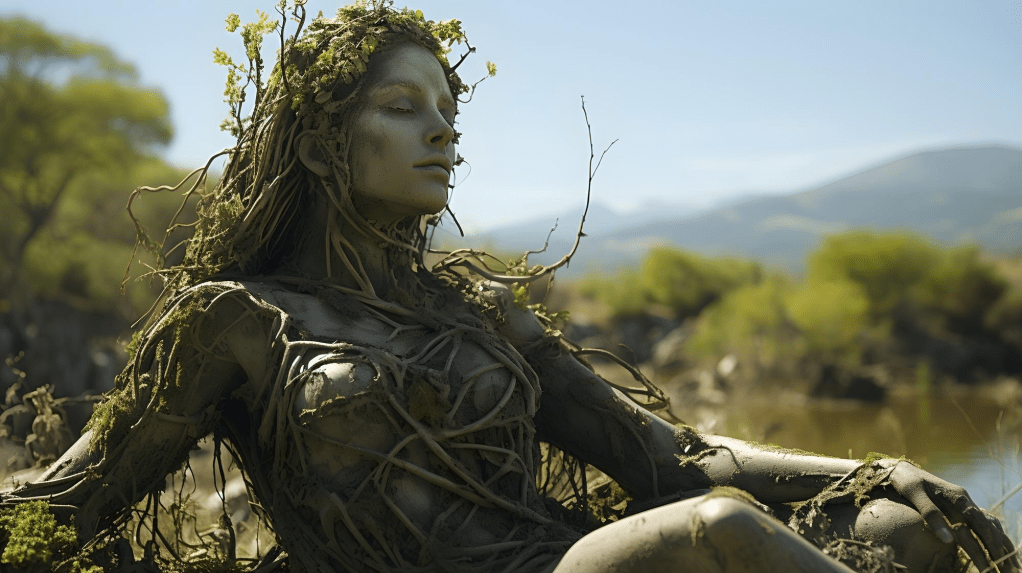
Mythical creatures can help serve a greater purpose in your novel. While they may add to the overall themes, you can also give them responsibilities / roles that benefit your characters. For example, a Dryad can function as a mentor that assists a group of characters throughout the story. This can result in them developing relationships between other creatures, allowing the reader to obtain a greater understanding of the world and various cultures of mythical beings.
The Bigger Picture
These bullet points should help you understand that worldbuilding is a crucial part of the book making process. But rest assured, it is not a process to fear! Although a lot goes into it, this process should be a fun way to truly get to know your world. So, experiment with it and please remember: your world exists to serve your plot. So be sure that every aspect of your world has a purpose! Happy writing…

 The Plot Weaver